


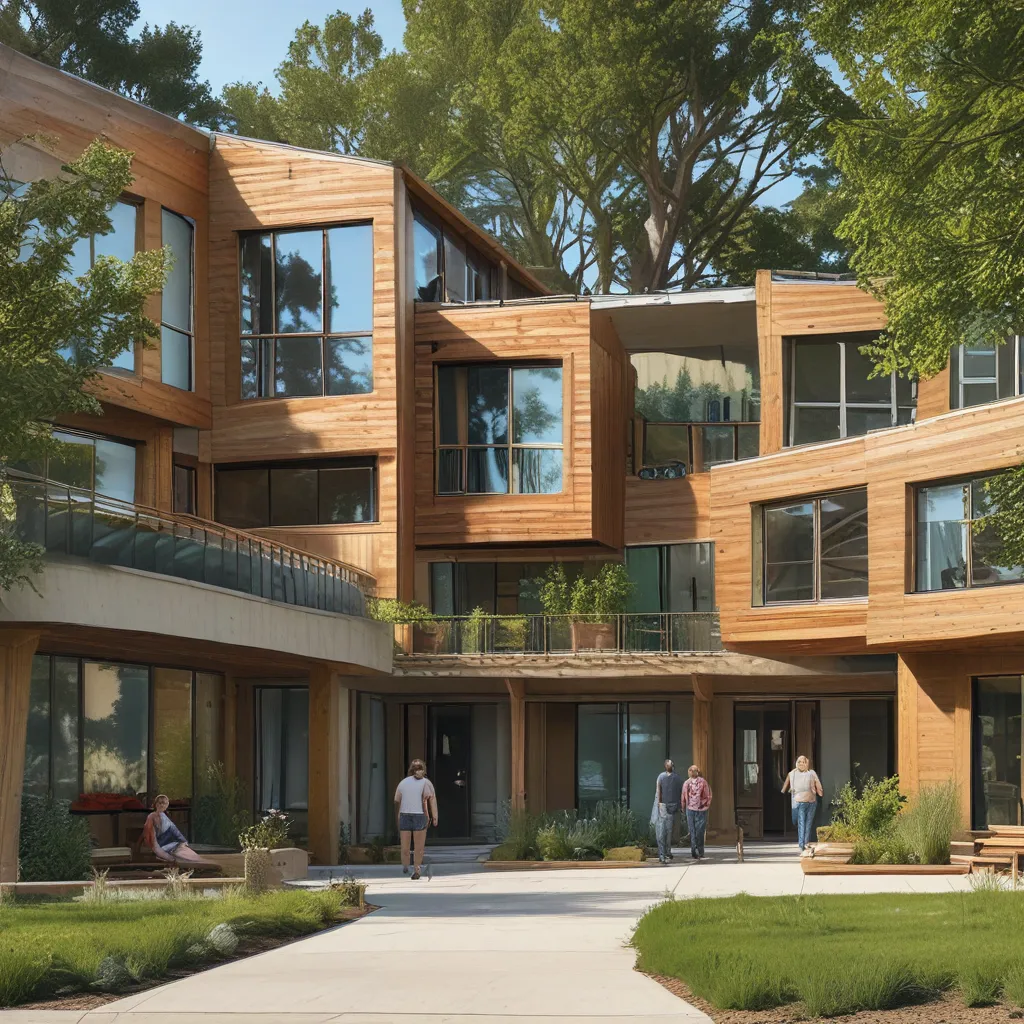
Sustainable Designs for Community-Centric Housing
As I stroll through the vibrant streets of this Costa Rican community, I can’t help but feel a sense of awe and inspiration. The buildings around me seamlessly blend traditional architectural elements with cutting-edge sustainable features, creating a harmonious landscape that truly embodies the essence of community-centric living.
Fostering Social Well-Being and Economic Resilience
What sets this housing development apart is its holistic approach to sustainable design. It’s not just about preserving the environment – it’s about nurturing the social and economic well-being of the people who call this place home.
As the team at Neo Architects explains, “In Costa Rica, the push for sustainable development is not only about preserving the environment but also about fostering social well-being and economic resilience.” This philosophy is woven into every aspect of the community-centric housing solutions they’ve pioneered.
Meaningful Engagement with Local Communities
The key to their success lies in the way they approach each project – with a deep understanding of the local community. Neo Architects conducts comprehensive consultations and workshops to gather input from residents, ensuring that the designs are responsive to their unique needs, cultural values, and aspirations.
This collaborative approach fosters a sense of ownership and pride among the residents, leading to more sustainable and enduring solutions. It’s a far cry from the top-down, one-size-fits-all approach that has often plagued affordable housing initiatives in the past.
Embracing Local Materials and Traditions
One of the most striking features of these community-centric housing projects is the way they seamlessly integrate local and sustainable materials into the design. By prioritizing materials like bamboo, adobe, and locally-sourced wood, Neo Architects not only reduces the environmental impact of construction, but also supports the local economy and preserves the region’s rich cultural heritage.
Imagine a home with walls made of warm, earthy adobe bricks, topped with a lush, living roof that captures rainwater and provides natural insulation. Or picture a community center crafted from the sturdy, renewable fibers of locally-grown bamboo, echoing the traditional building techniques of Costa Rica.
Maximizing Energy and Water Efficiency
Of course, sustainable design is about more than just the materials used – it’s also about ensuring the homes are as energy-efficient and water-conscious as possible. Neo Architects incorporates passive solar design, natural ventilation, and high-efficiency insulation to minimize the need for artificial lighting and air conditioning, reducing energy costs for residents and lowering the overall environmental impact.
Water conservation is equally important, especially in regions where water scarcity is a pressing issue. These housing projects feature integrated rainwater harvesting systems, greywater recycling, and efficient plumbing fixtures to ensure that water use is minimized and that residents have a reliable source, even during dry periods.
Ensuring Affordability and Inclusivity
But sustainable design is not just about the environment – it’s also about creating housing solutions that are accessible and inclusive for all. Neo Architects is dedicated to offering high-quality sustainable homes at affordable prices, using cost-effective materials and construction methods to make their vision a reality.
Their designs also consider the diverse needs of the community, providing a range of options for different household sizes and incorporating universal design principles to ensure accessibility for residents with disabilities. It’s a holistic approach that truly puts the needs of the people first.
Fostering Community and Opportunity
Beyond just providing shelter, these community-centric housing projects are designed to bring people together and create vibrant, resilient communities. Neo Architects incorporates communal gardens, playgrounds, and multi-purpose community centers into their designs, encouraging residents to come together, share resources, and build strong social networks.
These green spaces and shared amenities don’t just contribute to the overall well-being of the community – they also create economic opportunities and promote skills development. Neo Architects collaborates with local artisans and tradespeople, providing employment opportunities and training programs that teach sustainable building techniques and maintenance skills. This, in turn, fosters long-term job opportunities and economic resilience within the community.
Inspiring a Regenerative Future
As I continue my stroll through this remarkable housing development, I can’t help but feel a sense of hope for the future. Projects like these, which seamlessly blend environmental stewardship with social and economic well-being, are truly paving the way for a more sustainable and inclusive tomorrow.
The EcoNest project in Oregon, for example, showcases a similar holistic approach, with its straw-clay walls, living roofs, community commons, and wellness center. This “Smart Village Movement” is gaining momentum around the world, offering hope for a future where housing is not just a roof over our heads, but a catalyst for positive change.
As I make my way back to the HACC-Housing office, I can’t help but feel inspired by the community-centric sustainable housing solutions I’ve witnessed. It’s a testament to what can be achieved when we put people and the planet at the forefront of our design decisions. With visionaries like Neo Architects leading the way, I’m confident that the future of affordable housing will be one of resilience, inclusivity, and environmental stewardship.