


Navigating the Unforgiving Terrain of Climate Change
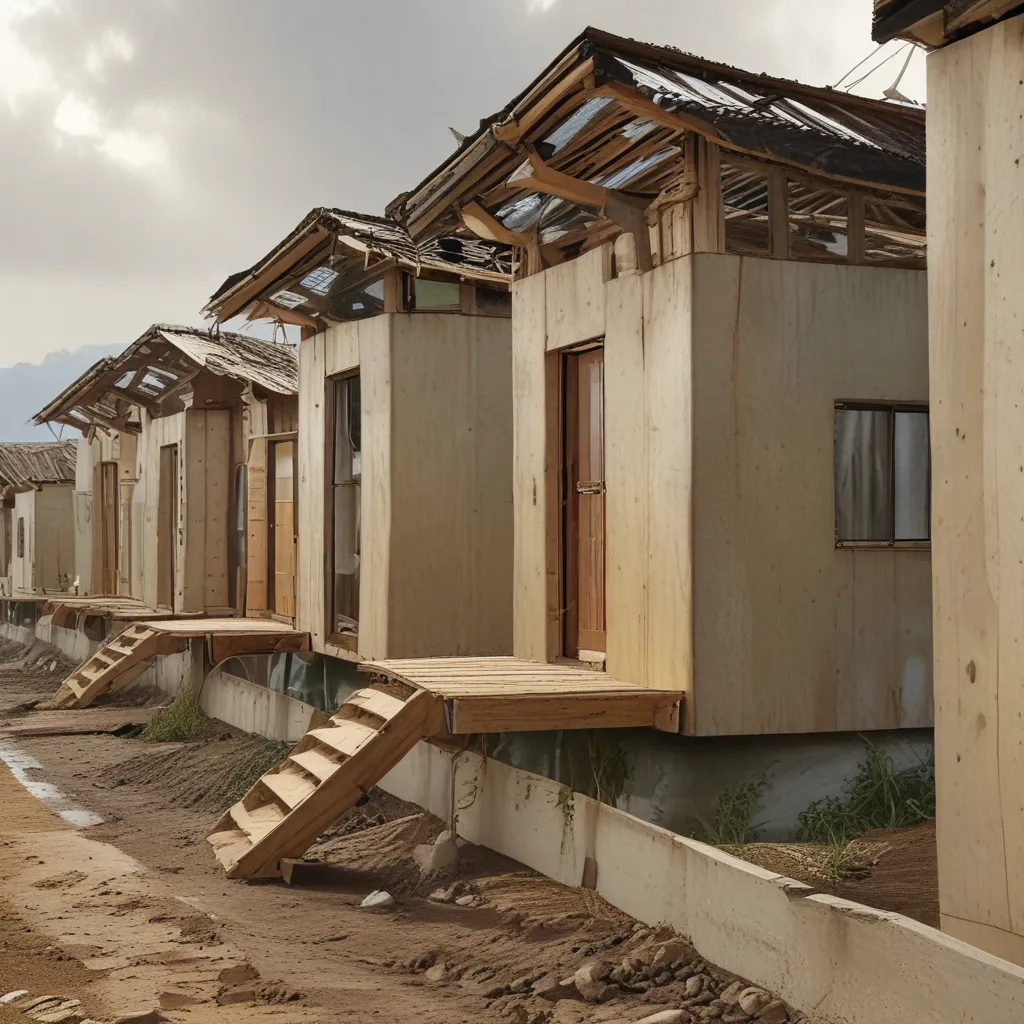
As I sit here, staring out at the ravaged landscape, I can’t help but feel a sense of awe and dread. The once lush fields have been reduced to a patchwork of mud and debris, a testament to the unrelenting power of nature. It’s a sobering reminder that the challenges we face in the realm of affordable housing are inextricably linked to the ever-evolving threats of climate change.
But where do we even begin to tackle this daunting task? How do we create resilient and sustainable housing solutions that can withstand the onslaught of natural disasters, while ensuring affordability and accessibility for all? These are the questions that have been keeping me up at night, as I search for a way to make a meaningful difference in the lives of those affected by this crisis.
Unraveling the Complexities of Climate-Resilient Housing
The truth is, the path forward is not a straight and narrow one. It’s a winding journey, filled with obstacles and unexpected challenges. But as I’ve delved deeper into the issue, I’ve come to realize that the key lies in a holistic, multifaceted approach that considers the unique needs and vulnerabilities of each community.
According to the EPA, one of the essential elements in cultivating disaster resilience is the ability to create flexible land use policies, build public-private partnerships, and engage the entire community in the decision-making process. It’s about empowering local stakeholders to shape the future of their neighborhoods, ensuring that the solutions are tailored to their specific needs and challenges.
But that’s just the tip of the iceberg. Research conducted by scholars has revealed the critical importance of merging traditional construction methods with modern advancements, creating a harmonious blend of ancestral wisdom and cutting-edge innovation. It’s about understanding the unique climatic conditions of each region and designing housing structures that can withstand the onslaught of extreme weather events, from torrential rains to devastating floods.
Embracing Resilience: Lessons from Pakistan’s Flood Victims
As I delve deeper into the topic, my attention is drawn to the plight of communities in Pakistan, who have been bearing the brunt of the climate crisis. The recent devastating floods have left an indelible mark on the nation, with millions of lives upended and countless homes destroyed.
In the Dadu district of Sindh, I can’t help but be struck by the resilience of the local residents as they grapple with the aftermath of the floods. The World Bank’s research has revealed the unique challenges faced by these communities, from the vulnerability of their traditional adobe homes to the impact of soil erosion on the structural integrity of their buildings.
Yet, amidst the chaos, I’ve been inspired by the ingenuity and determination of the people. They’ve banded together, pooling their resources and knowledge to find innovative solutions to the crisis at hand. From the use of flood-resistant materials to the incorporation of elevated platforms, these resilient individuals have demonstrated that the path to a more sustainable future is not out of reach.
Swat’s Architectural Gems: A Beacon of Hope
As I venture further north, I find myself captivated by the architectural marvels of the Swat district in Khyber Pakhtunkhwa. Here, the marriage of modern design and traditional techniques has created a tapestry of resilient housing structures that seem to defy the very forces of nature that have wreaked havoc elsewhere.
The hotels in this region, with their welcoming lobbies and awe-inspiring views, showcase an impressive blend of functionality and aesthetics. The World Bank’s research highlights the use of reinforced concrete construction, complemented by energy-efficient systems and state-of-the-art security features, as a testament to the region’s commitment to creating climate-resilient infrastructure.
But it’s the private residences that truly capture my heart. The classic courtyard design, with its south-facing orientation and centralized gathering space, is a masterclass in sustainable living. The combination of stone, cement block, and steel framing not only pays homage to the area’s architectural legacy but also provides a sturdy foundation against the region’s unpredictable weather patterns.
Lessons from Pishin: Adapting to Unique Challenges
As I venture further west, to the Pishin district of Baluchistan, I’m once again confronted with the stark realities of climate change. The region, with its hilly terrain and reliance on natural water sources, has faced its own unique set of challenges in the face of the recent floods.
The World Bank’s research has shed light on the vulnerabilities of the local housing structures, with their thick mud-and-husk block walls and traditional roofing systems. The failure to respect natural drainage patterns and the encroachment on floodplains have only exacerbated the destruction, leaving many families displaced and their homes in ruin.
Yet, even in the face of such adversity, I’ve been inspired by the community’s unwavering spirit. They’ve rallied together, sharing their knowledge and resources to find innovative solutions that address the region’s specific needs. From the use of elevated platforms to the incorporation of flood-resistant materials, these resilient individuals have demonstrated that with the right mindset and a willingness to adapt, the path to a more sustainable future is within reach.
Cultivating a Holistic Approach to Resilience
As I reflect on my journey through these diverse regions, one thing has become abundantly clear: the challenges we face in creating affordable, climate-resilient housing are multi-faceted and require a holistic approach. It’s not enough to simply implement the latest technological solutions or adhere to the strictest building codes. We need to consider the unique cultural, environmental, and socioeconomic factors that shape each community’s needs and vulnerabilities.
The EPA’s guidance on disaster resilience emphasizes the importance of engaging the entire community in the decision-making process, empowering local stakeholders to take an active role in shaping the future of their neighborhoods. It’s about fostering a sense of ownership and investment, ensuring that the solutions we implement are truly tailored to the needs of those we aim to serve.
But the journey doesn’t end there. As the research has shown, it’s also about striking a delicate balance between traditional construction methods and modern advancements, merging the wisdom of the past with the innovations of the present. It’s about understanding the unique climatic conditions of each region and designing housing structures that can withstand the onslaught of natural disasters, while still maintaining affordability and accessibility for all.
Embracing the Challenge: A Call to Action
As I stand here, surveying the devastation that has been wrought by the forces of nature, I can’t help but feel a renewed sense of purpose. This is not a challenge to be shied away from, but rather an opportunity to make a lasting difference in the lives of those who need it most.
At HACC Housing, we are committed to leading the charge in the fight for climate-resilient, affordable housing solutions. We recognize that the path ahead may be daunting, but with the support of our dedicated team, the guidance of our community partners, and the unwavering determination of those we serve, I have no doubt that we can cultivate a future of resilience and hope.
So, let us come together, roll up our sleeves, and tackle this monumental task head-on. Let us draw inspiration from the resilience of the Pakistani people, the architectural marvels of Swat, and the innovative spirit of Pishin. And let us never forget that the solutions we create today will not only protect the most vulnerable among us but also pave the way for a more sustainable, equitable, and resilient tomorrow.