


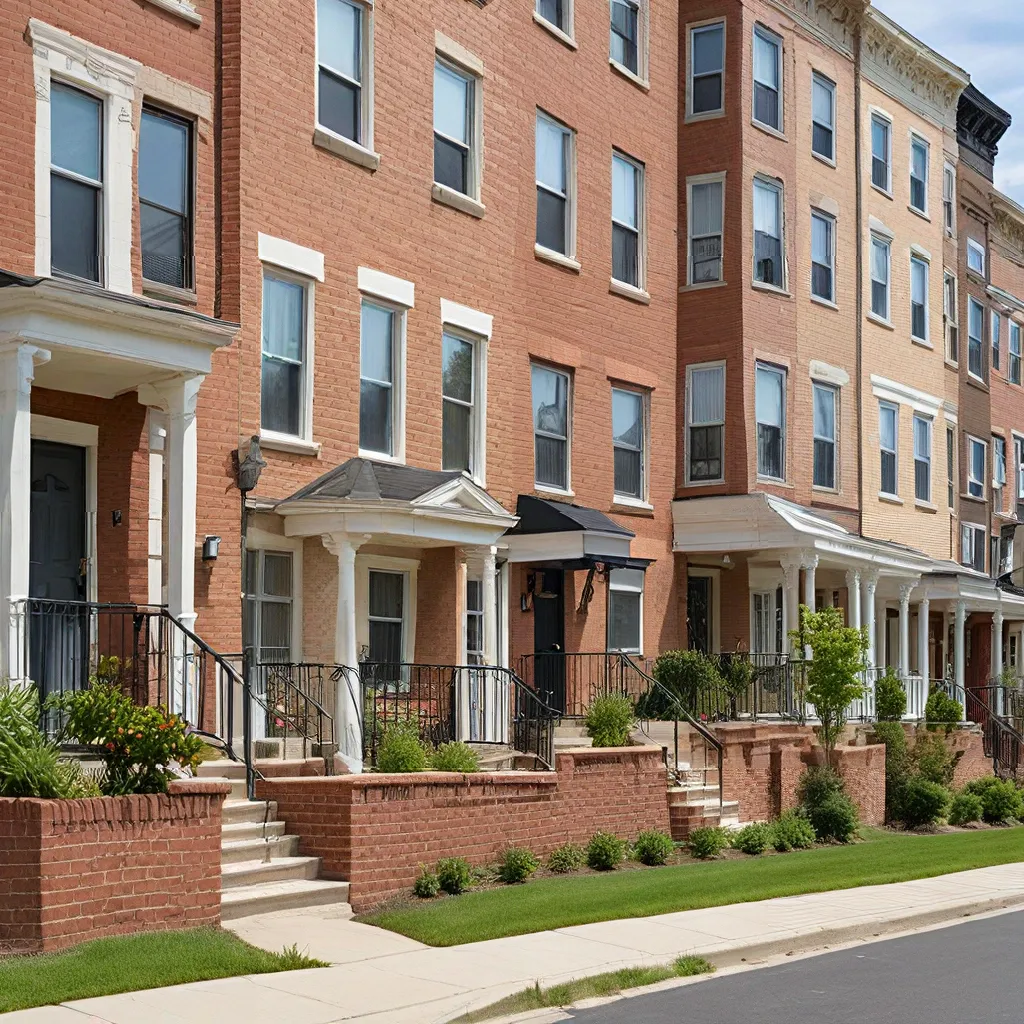
Affordable Housing: A Tale of Two Worlds
Have you ever felt like you’re living in two different worlds? One day, you’re marveling at the sleek high-rise apartments popping up all around town. The next, you’re wondering how on earth the folks down the street are going to afford the rent. Welcome to the world of affordable housing – where the haves and the have-nots coexist in a delicate dance of rising costs and dwindling options.
As an advocate for affordable housing solutions, I’ve seen firsthand the challenges families face in finding a decent, affordable place to call home. It’s a problem that’s only getting worse, with record-breaking numbers of people struggling to make ends meet. In fact, research shows the shortage of affordable housing costs the American economy a staggering $2 trillion per year in lost wages and productivity.
But the good news is, there are innovative solutions on the horizon. From creative financing options to community-driven initiatives, the affordable housing landscape is evolving in ways that could make a real difference in people’s lives. So, let’s dive in and explore the possibilities, shall we?
Manufactured Homes: The Unsung Heroes of Affordable Rentals
Picture this: you’re driving through a small town, and suddenly, you spot rows of tidy, well-maintained homes. But wait a minute – these aren’t your typical stick-built houses. They’re manufactured homes, the unsung heroes of the affordable rental market.
Fannie Mae has long recognized the importance of manufactured housing, which has provided a path to homeownership for countless low- and moderate-income families since the 1970s. But did you know that these versatile homes are also a major source of unsubsidized affordable rentals?
In fact, Fannie Mae reports that in rural communities, a whopping 15% of renter households live in manufactured housing. And these rental prices often average a mere half the cost of comparable apartments, making them a lifeline for families struggling to make ends meet.
But the story doesn’t end there. Manufactured housing communities (MHCs) are also finding innovative ways to preserve affordability and stability, partnering with organizations like ROC USA and National Cooperative Bank to explore new financing models. It’s a fascinating intersection of grassroots effort and industry support, and one that could hold the key to unlocking the full potential of manufactured housing as an affordable rental option.
Inclusionary Zoning: The Carrot and the Stick Approach
As if the manufactured housing story isn’t captivating enough, let’s turn our attention to another potential solution: inclusionary zoning (IZ). Now, I know what you’re thinking – zoning regulations, really? But bear with me, because this could be a game-changer.
The basic premise of IZ is simple: developers are required to set aside a certain percentage of units in new housing projects as affordable. It’s a carrot-and-stick approach, where the developers get the carrot of increased density or reduced fees in exchange for providing the much-needed affordable units.
Now, I know what you’re thinking – “But won’t that just make housing even more expensive?” And that’s a valid concern. As the Wedgewood-Houston Neighborhood Council on Affordable Living discovered, IZ programs don’t always live up to their full potential. In some cases, the production of market-rate housing has been so low that the affordable units end up being, well, not so affordable.
But here’s the thing: IZ is just one tool in the affordable housing toolbox. When combined with other strategies, like property tax freezes for long-time residents or dedicated funding sources, it could be the key to unlocking a more diverse and affordable rental market.
And let’s not forget the creativity factor. As the Wedgewood-Houston neighbors discovered, there may be other zoning options, like “live-work” or “live-make” units, that could provide affordable rental opportunities while also preserving the unique character and identity of a neighborhood. It’s all about finding the right mix of carrots and sticks to incentivize developers and support the community.
Collaboration and Community: The Path to Affordable Rentals
But affordable housing isn’t just about policies and regulations. It’s also about the people – the families, the neighborhoods, and the community organizations that are fighting to keep their homes and their communities affordable.
Take, for example, the work of the National Low Income Housing Coalition (NLIHC). This impressive network of over 1,000 dedicated housing and social justice advocates is a force to be reckoned with, working tirelessly to end homelessness and housing poverty across the country.
And then there are the grassroots efforts, like the one spearheaded by the Wedgewood-Houston Neighborhood Council on Affordable Living. These passionate neighbors came together to develop a set of guiding principles for affordable and sustainable growth in their community, tackling everything from transportation to environmental sustainability.
It’s a powerful reminder that affordable housing is not just a top-down issue, but one that requires a community-driven approach. By partnering with local organizations, tapping into community knowledge, and finding creative ways to leverage resources, we can unlock new possibilities for affordable rentals that truly meet the needs of the people.
A Future of Affordable Possibilities
As I reflect on the challenges and the opportunities in the world of affordable housing, I can’t help but feel a sense of cautious optimism. Yes, the problems are daunting, and the solutions are not always straightforward. But there’s a growing movement of innovators, advocates, and community members who are committed to making a difference.
From the unsung heroes of manufactured housing to the creative zoning strategies of neighborhoods like Wedgewood-Houston, the affordable rental landscape is evolving in ways that could transform the lives of countless families. And with the support of organizations like HACC Housing, who are dedicated to providing affordable housing solutions, I believe we can create a future where everyone has access to a decent, affordable place to call home.
So, let’s embrace the possibilities, roll up our sleeves, and get to work. Because when it comes to affordable housing, the only thing we can’t afford is to give up.