


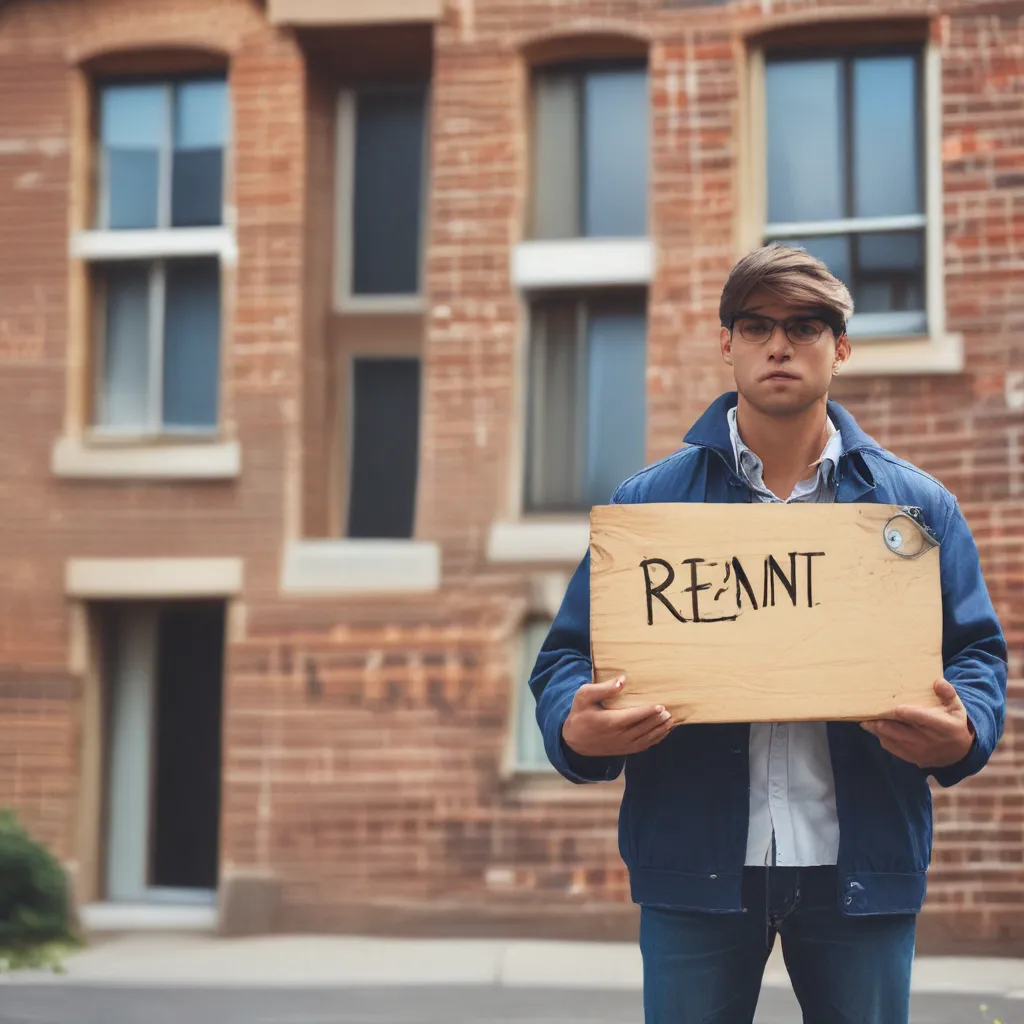
As a tenant, it’s essential to understand your rights and responsibilities when it comes to renting a property. Whether you’re a first-time renter or a seasoned pro, navigating the complex world of tenant-landlord relations can be a daunting task. Fear not, my friend, for I’m here to guide you through the ins and outs of tenant rights and responsibilities.
Understanding Your Lease Agreement
The lease agreement is the foundation of your tenancy, and it’s crucial to thoroughly review it before signing on the dotted line. This legally binding document outlines the terms and conditions of your rental, including the length of the lease, the monthly rent, and any additional fees or responsibilities. It’s like a secret handshake between you and your landlord – you both have to know the rules and abide by them.
Now, I know what you’re thinking: “But the lease is written in such complicated legal jargon, it might as well be in a foreign language.” Fear not, my friend. Take the time to read through the lease carefully, and don’t be afraid to ask your landlord for clarification on any confusing terms. After all, you don’t want to end up accidentally agreeing to pay for your landlord’s luxury yacht or something equally outrageous.
Maintenance and Repairs
One of the key responsibilities of a tenant is to maintain the rental property in good condition. This means keeping the place clean, avoiding any damage, and promptly reporting any issues that need to be addressed. Trust me, your landlord will appreciate it if you don’t turn the living room into a demolition derby.
But what happens when something goes wrong that’s beyond your control, like a leaky faucet or a malfunctioning appliance? Well, my friend, that’s where your landlord’s responsibility comes into play. According to New York state law, landlords are required to keep the rental property in a habitable condition and make necessary repairs in a timely manner. So, if that pesky faucet won’t stop dripping, don’t hesitate to give your landlord a call.
Security Deposits and Move-Out Procedures
Remember that hefty security deposit you had to hand over when you first moved in? Well, that’s not just a way for your landlord to fund their vacation home. In California, landlords are required to hold security deposits in a separate account and can only use them to cover damages or unpaid rent.
When it’s time to move out, you’ll need to follow the proper procedures to ensure you get your security deposit back. This typically involves a final walkthrough with your landlord to assess the condition of the property and identify any necessary repairs. Be sure to document everything, from the state of the floors to the cleanliness of the oven, to protect yourself from any unfair deductions.
Rent Payments and Late Fees
Let’s talk about the elephant in the room: rent. As a tenant, your primary responsibility is to pay your rent on time, every month. In Minnesota, landlords are required to provide written notice of any late fees or penalties before they can be charged, so make sure you understand the terms of your lease.
But what happens if you’re a little short on cash one month? Don’t panic! Many landlords are willing to work with tenants who are facing temporary financial difficulties. The key is to communicate openly and honestly with your landlord and try to come up with a reasonable plan to get your payments back on track.
Tenant Discrimination and Fair Housing Laws
In an ideal world, every landlord would treat their tenants with respect and fairness. Unfortunately, we don’t live in an ideal world. Affordable housing solutions organizations like HACC Housing exist to help protect tenants from discrimination and ensure that everyone has access to safe and affordable housing.
According to federal fair housing laws, landlords cannot discriminate against tenants based on race, color, religion, national origin, sex, familial status, or disability. This means they can’t refuse to rent to you or treat you differently simply because of who you are. If you ever feel like you’ve been the victim of housing discrimination, don’t hesitate to report it to the proper authorities.
Navigating Tenant-Landlord Disputes
Even in the best of circumstances, disputes can arise between tenants and landlords. Maybe your landlord is slow to address a maintenance issue, or perhaps you’re being charged for damages you didn’t cause. Whatever the case may be, it’s important to know how to effectively resolve these conflicts.
The first step is to try to communicate directly with your landlord. Approach the situation with a calm and professional demeanor, and try to find a mutually agreeable solution. If that doesn’t work, you may need to escalate the issue by filing a formal complaint with the appropriate housing authority or seeking legal assistance.
Remember, as a tenant, you have rights, and your landlord has responsibilities. Don’t be afraid to stand up for yourself and assert those rights when necessary. After all, a happy tenant makes for a happy landlord (or at least a slightly less grumpy one).
Conclusion
Renting a property can be a complex and sometimes tricky endeavor, but with a little knowledge and a lot of patience, you can navigate the world of tenant rights and responsibilities like a pro. Remember to always read your lease agreement carefully, maintain the rental property in good condition, and communicate openly with your landlord. And if you ever feel like you’re being treated unfairly, don’t hesitate to seek help from the experts.
At the end of the day, being a responsible tenant is all about finding that delicate balance between standing up for your rights and respecting your landlord’s needs. So, go forth, my friend, and may your rental journey be filled with harmony, laughter, and the occasional free pizza from your grateful landlord.