


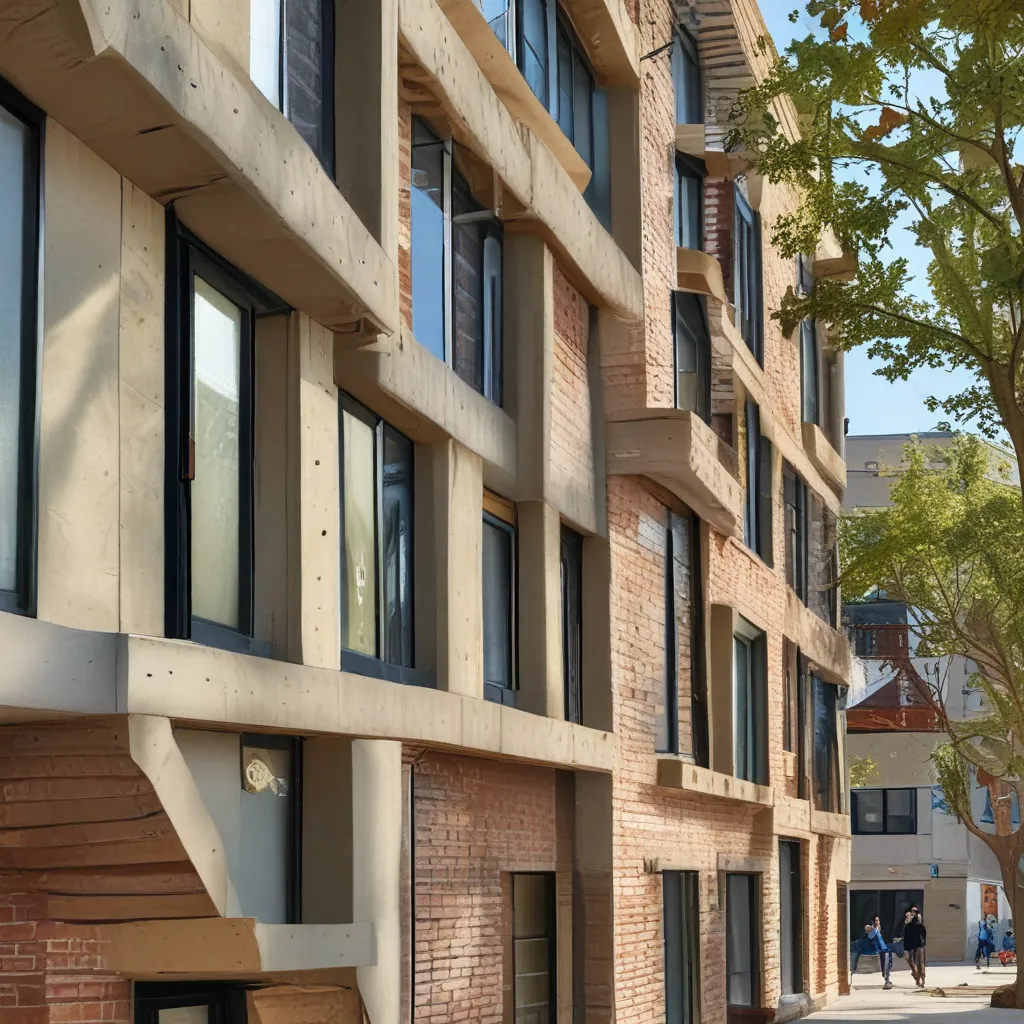
Affordable Housing Trends: Adaptability and Innovation
Affordable housing – a topic that’s been on the minds of many, but often feels like a puzzle without a clear solution. As someone who has been passionate about this issue for years, I’m thrilled to share with you the emerging trends that are shaping the future of affordable housing. From sustainable living to innovative financing models, the landscape is evolving in exciting ways.
Let’s dive in and explore how adaptability and innovation are redefining the affordable housing landscape.
Sustainable and Smart Living
Gone are the days when affordable housing meant sacrificing the planet. Today, we’re seeing a growing trend towards eco-friendly and technologically-advanced living spaces. Developers are integrating energy-efficient features, eco-friendly materials, and smart home technologies into their affordable housing projects.
As environmental awareness continues to rise, builders are making strides in creating all-electric homes with improved energy efficiency protocols. These sustainable features not only lower utility costs for residents but also contribute to a healthier indoor environment, alleviating common issues like asthma.
But it’s not just about the bricks and mortar. Smart home technologies are also revolutionizing the affordable housing experience. Connecting residents to essential services and providing oversight for seniors and individuals with disabilities, these innovations are enhancing quality of life and fostering a more connected community.
Imagine a future where your affordable home not only saves you money on utility bills but also keeps you safe and connected to the resources you need. That’s the power of sustainable and smart living.
Modular Construction: The Future of Affordability
In the quest for affordable housing, modular construction is emerging as a game-changer. By prefabricating building components off-site and assembling them on-location, developers can significantly reduce construction time and costs.
Modular construction offers flexibility, making it easier to adapt to changing community needs and preferences. Most modular homes are built off-site, allowing construction to continue even in the face of inclement weather. When it’s time to assemble, they blend seamlessly with the surrounding neighborhood, often incorporating recycled or green materials.
But the real magic lies in the numbers. Manufactured homes are typically priced 10 to 35% less per square foot than traditional homes, making them a cost-effective option for buyers on a budget. And despite outdated stereotypes, studies show that manufactured homes generally retain or even appreciate in value over time.
Imagine a future where affordable housing doesn’t mean sacrificing quality or style. Modular construction is making that dream a reality, one prefab home at a time.
Public-Private Partnerships: A Winning Formula
Addressing the affordable housing crisis requires a collaborative approach, and that’s where public-private partnerships are shining. By leveraging the strengths of both government entities and private developers, these partnerships are creating sustainable and cost-effective housing solutions.
Public-private partnerships often involve tax incentives, grants, or subsidies to make housing projects financially viable for developers while ensuring affordability for residents. It’s a win-win scenario that’s transforming communities.
But the collaboration doesn’t stop there. Cities and municipalities are also revisiting zoning regulations to encourage the development of affordable housing. Inclusive zoning policies, such as density bonuses and mixed-use development, are aimed at creating diverse and inclusive communities where affordable housing is seamlessly integrated.
Imagine a future where affordable housing isn’t just a dream, but a reality woven into the fabric of our communities. Public-private partnerships and innovative zoning policies are making that vision a reality.
Nonprofit Ownership: Ensuring Long-Term Affordability
In the realm of rental housing, the significance of nonprofit ownership cannot be overstated. These organizations are laser-focused on community welfare, ensuring that the primary goal is the provision of stable and affordable housing for those who need it most.
Non-profit ownership brings a distinct focus on community welfare, guaranteeing that the needs of low and very low-income residents are at the forefront. This long-term commitment to affordability is crucial in a landscape where rising interest rates and rents have created a severe shortage of affordable housing units.
But nonprofit ownership isn’t just about maintaining affordability; it’s also about empowering communities. These organizations often work hand-in-hand with residents, fostering a sense of ownership and pride that transcends the physical walls of the home.
Imagine a future where affordable housing is not just a roof over your head, but a place where you belong – a community that nurtures and supports you. Nonprofit ownership is making that vision a reality.
Affordable Housing Finance Innovations
The financial aspect of affordable housing has long been a stumbling block, but innovative financing models are emerging to tackle this challenge. From crowdfunding to impact investing, these alternative funding sources are empowering communities to take a more active role in shaping their housing landscape.
Crowdfunding platforms, for example, are allowing residents to pool their resources and directly fund affordable housing projects in their own neighborhoods. This grassroots approach not only provides much-needed capital but also fosters a sense of ownership and investment in the community.
On the other hand, impact investing models are attracting socially conscious individuals and organizations to support affordable housing initiatives. By aligning their financial goals with their values, these investors are creating a ripple effect of positive change in communities.
Imagine a future where affordable housing isn’t just a burden on the public purse, but a catalyst for community empowerment and social impact. Innovative financing models are making that vision a reality.
Conclusion: Building a Future of Accessible and Equitable Housing
As we navigate the ever-evolving landscape of affordable housing, one thing is clear: adaptability and innovation are the keys to unlocking a future where everyone has access to safe, sustainable, and affordable homes.
From eco-friendly modular construction to public-private partnerships and nonprofit ownership, the trends we’ve explored today are paving the way for a more inclusive and equitable housing landscape. And with the rise of innovative financing models, communities are taking an active role in shaping their own housing solutions.
So, what does the future hold? If you ask me, it’s a future where affordable housing is not just a dream, but a reality woven into the fabric of our communities – a future where sustainable living, community empowerment, and social impact go hand-in-hand.
Are you ready to be a part of this exciting transformation? I know I am. Let’s roll up our sleeves and get to work, one adaptable and innovative solution at a time.