


Designing for the Community’s Needs
As an architect, I’ve always been fascinated by the power of design to transform lives and communities. And when it comes to affordable housing, this belief is even more pronounced. After all, the spaces we create aren’t just places to live – they’re the foundations upon which entire neighborhoods are built.
That’s why, when the team at HACC Housing Solutions approached me to write about affordable housing design, I jumped at the chance. Because for me, it’s not just about creating functional living spaces – it’s about crafting environments that foster connection, community, and a sense of belonging.
You see, I’ve had the privilege of working on affordable housing projects across the country, and I’ve learned that the key to success lies in truly understanding the needs and aspirations of the people who will call these spaces home. It’s about listening, empathizing, and then translating those insights into design solutions that make a tangible difference in people’s lives.
Embracing the Diversity of Affordable Housing Residents
One of the things that has always struck me about affordable housing is the incredible diversity of the residents. From young families just starting out to elderly individuals on fixed incomes, from recent immigrants to long-time community members – these communities are a tapestry of backgrounds, experiences, and needs.
And as an architect, that’s exactly what excites me. Because it means that the design solutions can’t be one-size-fits-all. Instead, we have to be nimble, adaptable, and attuned to the unique circumstances of each project and its residents.
Take for example the transit-oriented development projects I’ve worked on. These developments, which integrate affordable housing with access to public transportation, have to cater to the needs of commuters, families, seniors, and everyone in between. It’s a delicate balancing act, but one that I find incredibly rewarding.
Fostering Inclusive and Engaging Spaces
One of the core principles that guides my work is the belief that affordable housing should be more than just a roof over someone’s head. It should be a place that brings people together, fosters community, and enhances the overall quality of life.
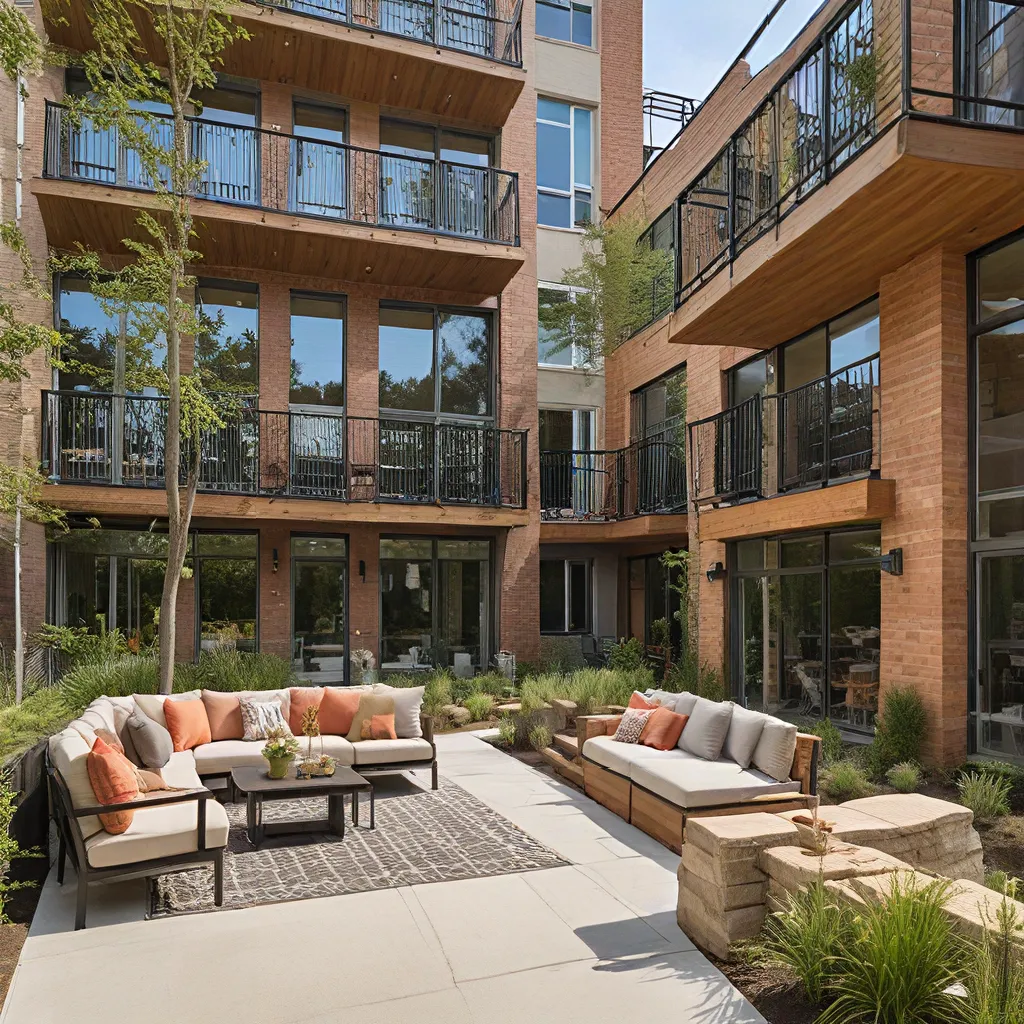
And that’s where the design element becomes so critical. By thoughtfully considering the layout, amenities, and shared spaces within an affordable housing development, we can create environments that encourage interaction, collaboration, and a sense of belonging.
For instance, in one of our recent projects, we incorporated a community garden and outdoor gathering space where residents could come together to grow their own produce, share recipes, and connect with their neighbors. The feedback we received was overwhelmingly positive, with residents expressing how this simple addition had transformed the way they experienced their living environment.
Prioritizing Sustainability and Resilience
Of course, when it comes to affordable housing, design isn’t just about creating beautiful and functional spaces – it’s also about ensuring that these homes are sustainable, resilient, and cost-effective to maintain.
That’s why, in my work, I’m always exploring innovative building techniques and technologies that can help reduce energy consumption, minimize environmental impact, and provide long-term cost savings for residents. From passive solar design to advanced insulation systems, the possibilities are endless.
And it’s not just about the physical building itself – it’s also about integrating sustainable features that empower residents to live more eco-friendly lifestyles. Things like communal composting stations, bike storage, and educational programs can go a long way in fostering a culture of environmental stewardship.
Adapting to Changing Needs and Trends
Of course, the world of affordable housing is constantly evolving, and as architects, we have to be nimble and adaptable in order to keep up with the changing needs and trends.
Take, for example, the impact of the COVID-19 pandemic. Suddenly, the way we think about living spaces has shifted, with a greater emphasis on remote work, flexible living arrangements, and access to outdoor spaces. As a result, we’ve had to rethink our design approach, incorporating features like dedicated home office nooks, adaptable floor plans, and enhanced communal amenities.
And then there are the broader demographic shifts happening in our communities, with an aging population and a growing need for affordable housing options that cater to the unique needs of seniors. This has led us to explore design solutions like intergenerational living, universal accessibility, and integrated healthcare services.
Celebrating the Victories, Large and Small
At the end of the day, what I love most about my work in affordable housing design is the opportunity to make a tangible difference in people’s lives. It’s the little moments – a resident beaming with pride as they show off their new vegetable garden, a family gathering around the community fireplace on a chilly evening, or a group of neighbors celebrating a cultural festival in the shared courtyard – that make it all worthwhile.
And while the challenges can be daunting, and the obstacles can sometimes feel insurmountable, I take heart in the knowledge that with each project, we’re slowly but surely chipping away at the affordable housing crisis, one thoughtful design solution at a time.
So, if you’re looking to create an affordable housing development that truly enhances the lives of its residents, I encourage you to think beyond the basics of four walls and a roof. Embrace the diversity of your community, prioritize inclusive and engaging spaces, and never lose sight of the power of sustainable and resilient design.
Because at the end of the day, affordable housing isn’t just about providing a place to live – it’s about creating vibrant, thriving communities that empower people to live their best lives. And that’s a mission that I’m proud to be a part of.