


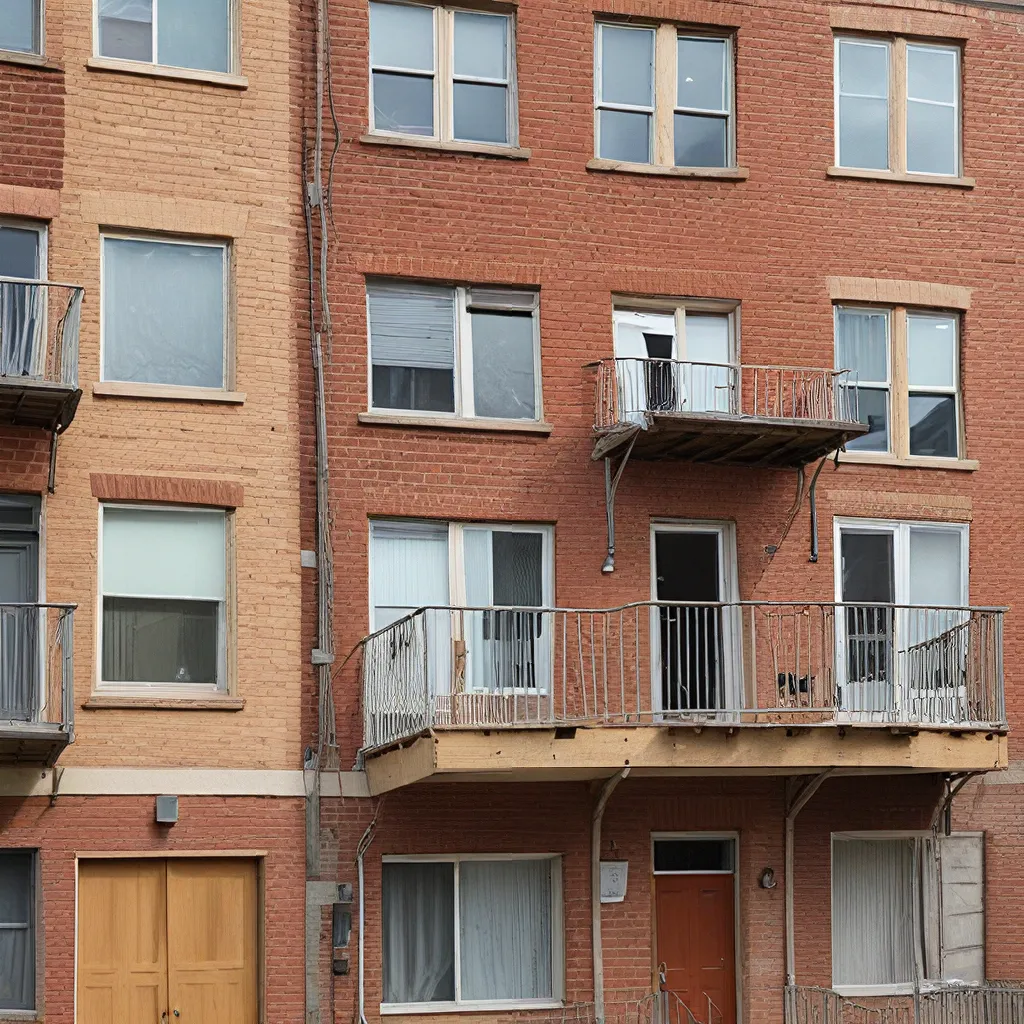
As a homeowner, I’ve always had a soft spot for the idea of affordable housing. The thought of providing safe, comfortable living spaces for those in need just warms my heart. But, to be honest, I never really understood the full picture – the challenges, the complexities, and the importance of getting landlords on board. That is, until I stumbled upon an eye-opening resource from the U.S. Department of Housing and Urban Development (HUD).
Understanding the Landlord’s Perspective
You see, I always assumed landlords were just a bunch of greedy property owners, only interested in maximizing their profits. But the more I learned, the more I realized it’s not quite that simple. Landlords are running businesses, and like any business, they have to balance their books and keep their investments viable.
According to HUD, many landlords simply don’t see the financial benefits of participating in affordable housing programs. In fact, they may even perceive it as a risk, with concerns about things like delayed payments, property damage, and dealing with more challenging tenant situations. And let’s be honest, who wants to take on more headaches, right?
But then I started to dig deeper and realized that there are actually quite a few incentives and benefits that can make affordable housing a win-win for both landlords and tenants. It’s all about finding the right balance and addressing those landlord concerns head-on.
Unlocking the Potential: Landlord Incentives
One of the key incentives HUD highlights is the potential for steady, reliable income. Many affordable housing programs offer guaranteed payments, even in the event of tenant vacancies or nonpayment. This can provide a nice cushion for landlords and help ensure a reliable stream of rental income.
But it doesn’t stop there. Landlords can also benefit from things like tax credits, reduced administrative burdens, and property damage mitigation funds. Imagine being able to offset your tax liability while also having some extra protection against the potential headaches of renting to low-income tenants. Sounds pretty enticing, right?
And let’s not forget about the positive PR and community goodwill that can come with participating in affordable housing initiatives. As a landlord, you’re not just renting out a property – you’re making a tangible difference in the lives of those who need it most. That kind of feel-good factor can be invaluable, both for your business and your own sense of purpose.
Bridging the Gap: Strategies for Engagement
Now, I know what you’re thinking – “Okay, this all sounds great, but how do I actually get started?” Well, the good news is that there are plenty of resources and support systems in place to help landlords navigate the world of affordable housing.
One of the first steps is to connect with your local affordable housing organization. These folks are experts in the field, and they can guide you through the process, answer your questions, and help you identify the specific incentives and programs that might be a good fit for your properties and your business.
But it doesn’t stop there. Landlords can also take a more proactive approach by:
1. Attending informational sessions and workshops
Staying up-to-date on the latest affordable housing trends, policies, and best practices can make a big difference. These events are a great way to network, ask questions, and learn from other landlords who have successfully navigated the system.
2. Fostering strong relationships with local housing authorities
Building trust and open communication with the folks who manage affordable housing programs can go a long way. They can help you stay informed, troubleshoot any issues, and even advocate on your behalf.
3. Exploring creative financing and partnership opportunities
Did you know that some landlords have even teamed up with nonprofit organizations or local governments to renovate and retrofit their properties for affordable housing? Talk about a win-win!
The Ripple Effect: How Landlord Participation Makes a Difference
At the end of the day, the importance of getting landlords on board with affordable housing can’t be overstated. When more landlords are willing to participate, it opens up a whole world of opportunities for those in need of safe, stable, and affordable living situations.
And the benefits extend far beyond just the tenants themselves. Thriving affordable housing communities can have a ripple effect, boosting local economies, reducing strain on social services, and even improving public health and well-being. It’s a rising tide that lifts all boats, so to speak.
So, whether you’re a seasoned landlord or just starting out, I’d encourage you to take a closer look at the world of affordable housing. With the right incentives and support, it could be a game-changer, not just for your business, but for the entire community. Who knows, you might just discover a whole new level of purpose and fulfillment in the process.