
The Vital Conditions for a Thriving Community
As I step into the bustling neighborhood, the energy is palpable. Vibrant murals adorn the walls, and the sounds of laughter and conversation fill the air. This is the kind of community I’ve always dreamed of – one where people aren’t just surviving, but truly thriving. And at the heart of it all lies the foundation of resilient and sustainable housing.
But what exactly goes into creating such a vibrant and resilient community? According to the Federal Plan for Equitable Long-Term Recovery and Resilience, the key lies in nurturing the “Vital Conditions for Health and Well-Being.” These seven essential elements, as outlined by the U.S. Department of Health and Human Services, form the bedrock for communities to reach their full potential.
The Federal Plan highlights these vital conditions as:
- Belonging and Civic Muscle
- Lifelong Learning
- Stable Jobs and Careers
- Thriving Natural World
- Humane Housing
- Reliable Transportation
- Healthy Food and Physical Activity
As I delve deeper into this framework, I can’t help but see the direct parallels to the community I’m standing in. The residents here have a strong sense of belonging and a palpable “civic muscle” – they’re actively engaged in shaping the future of their neighborhood. The local schools and community centers foster lifelong learning, and the thriving small businesses provide stable jobs and career opportunities.
The commitment to sustainability is evident in the green spaces, urban gardens, and renewable energy initiatives. And of course, the affordable and energy-efficient housing is the foundation that allows this community to truly thrive.
The Humane Housing Imperative
When it comes to building resilient and sustainable communities, the “Humane Housing” vital condition is perhaps the most critical piece of the puzzle. After all, a safe, affordable, and energy-efficient home is the bedrock upon which all other aspects of community well-being are built.
As highlighted in the Minneapolis Safe and Thriving Communities Report, housing stability and affordability are directly linked to improved health outcomes, educational attainment, and economic security. When families don’t have to worry about the roof over their heads, they can focus on other vital aspects of their lives and contribute to the overall vitality of the community.
But the reality is that far too many communities are grappling with a severe affordable housing crisis. Skyrocketing rents, gentrification, and a lack of investment in sustainable housing solutions have left countless individuals and families struggling to find a place to call home.
That’s why the work of organizations like HACC Housing is so crucial. By developing affordable, energy-efficient, and community-driven housing solutions, they’re not just providing roofs over heads – they’re laying the foundation for thriving, resilient communities.
Sustainable Housing as a Catalyst for Change
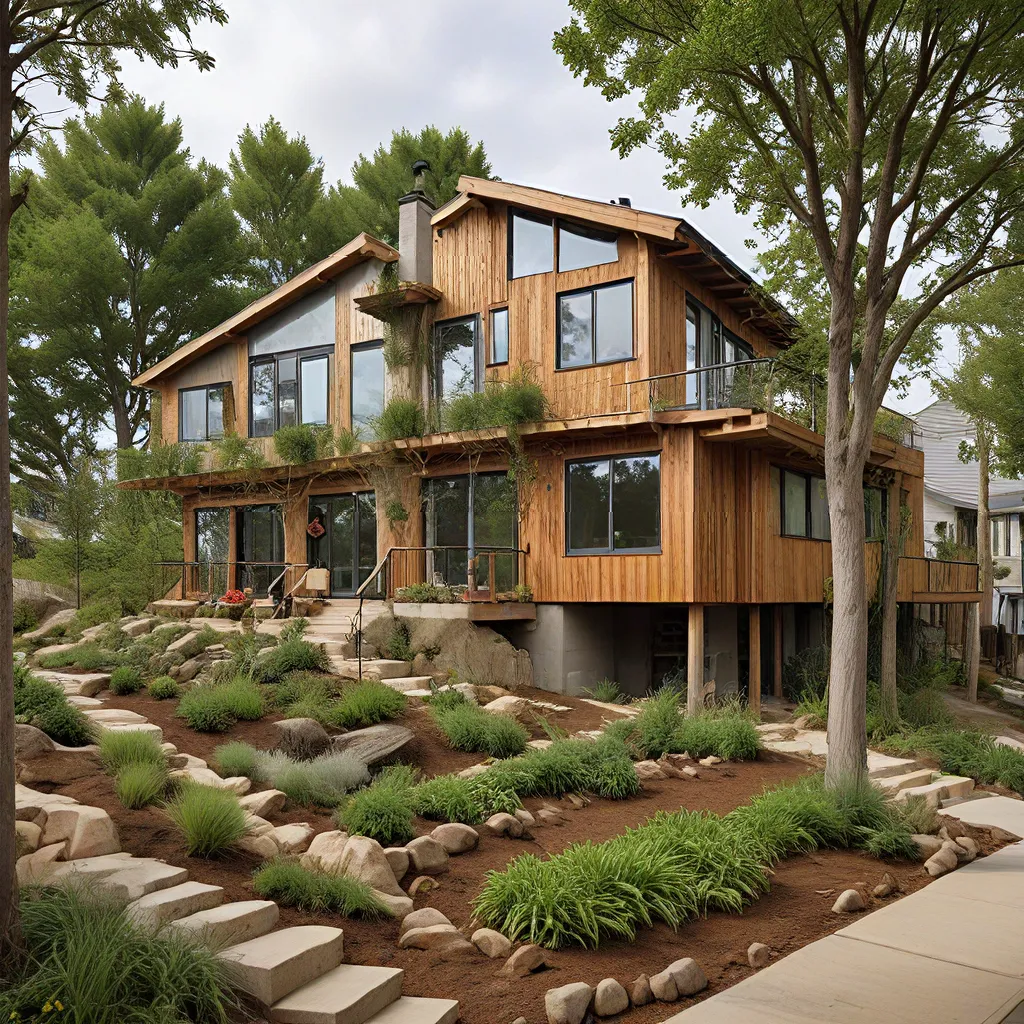
As I walk through the neighborhood, I can’t help but admire the way the sustainable housing developments seamlessly integrate with the surrounding environment. The homes are designed to be energy-efficient, with features like solar panels, geothermal heating and cooling, and water conservation systems. This not only reduces the environmental impact but also helps to keep utility costs low for the residents, allowing them to allocate more of their resources towards other vital aspects of their lives.
But the real magic happens when you look beyond the bricks and mortar. These sustainable housing communities are serving as catalysts for broader community transformation. By partnering with local organizations and tapping into the expertise and passions of the residents themselves, HACC Housing is empowering people to take an active role in shaping the future of their neighborhoods.
I’m reminded of a conversation I had with Maria Dillard, a research social scientist at the National Institute of Standards and Technology. She explained how the Vital Conditions framework “directly aligns with core tenets of resilience” and emphasizes the importance of “ensuring community members are equitably included and have real power in decisions that affect the development of long-term resilience.”
That’s exactly what’s happening here. The residents of this community aren’t just passive recipients of affordable housing – they’re engaged collaborators, working alongside HACC Housing to create a shared vision for a thriving, sustainable future.
Belonging and Civic Muscle: The Foundation of Resilience
As I continue to explore this vibrant neighborhood, I’m struck by the palpable sense of community and belonging. People greet each other with warmth and familiarity, and there’s a shared pride in the progress they’ve made together.
This “Belonging and Civic Muscle” is a crucial component of the Vital Conditions framework, as outlined by Stacy Dean, the Deputy Under Secretary of the USDA Food and Nutrition Service. She emphasizes that “civic engagement is key to building community capacity and because local self-driven tailored solutions are critical to addressing local needs and ultimately to fostering community leadership to build an equitable thriving future.”
And that’s precisely what I’m witnessing here. The residents of this community have a deep investment in their neighborhood, and they’re actively shaping its development through initiatives like community gardens, youth programs, and small business incubators. They’re not just passive recipients of change, but rather the driving force behind it.
This sense of civic engagement and belonging is the bedrock upon which true resilience is built. When people feel a strong connection to their community and a sense of ownership over its future, they’re empowered to weather any challenges that may come their way.
Building an Equitable, Thriving Future
As I prepare to leave this inspiring neighborhood, I can’t help but feel a renewed sense of hope and optimism for the future of our communities. The work being done by organizations like HACC Housing is a testament to the transformative power of sustainable, community-driven housing solutions.
By focusing on the Vital Conditions for Health and Well-Being, they’re not just building affordable homes – they’re creating the foundations for thriving, resilient communities. From stable jobs and careers to reliable transportation and access to healthy food, these housing developments are catalyzing a holistic, asset-based approach to community development.
And at the heart of it all is a deep commitment to equity and inclusion. As EPA Administrator Michael S. Regan explains, the Vital Conditions framework “presents an actionable asset-based approach to address and advance beyond social determinants of health and inequities.” It’s a recognition that true resilience can only be achieved when everyone has a seat at the table and a voice in shaping the future.
As I step out onto the bustling streets, I can’t help but imagine the ripple effects of this work, spreading outward and inspiring communities across the country to follow in these resilient footsteps. Because when we invest in sustainable, community-driven housing solutions, we’re not just building homes – we’re building the foundations for a more equitable, thriving future.