


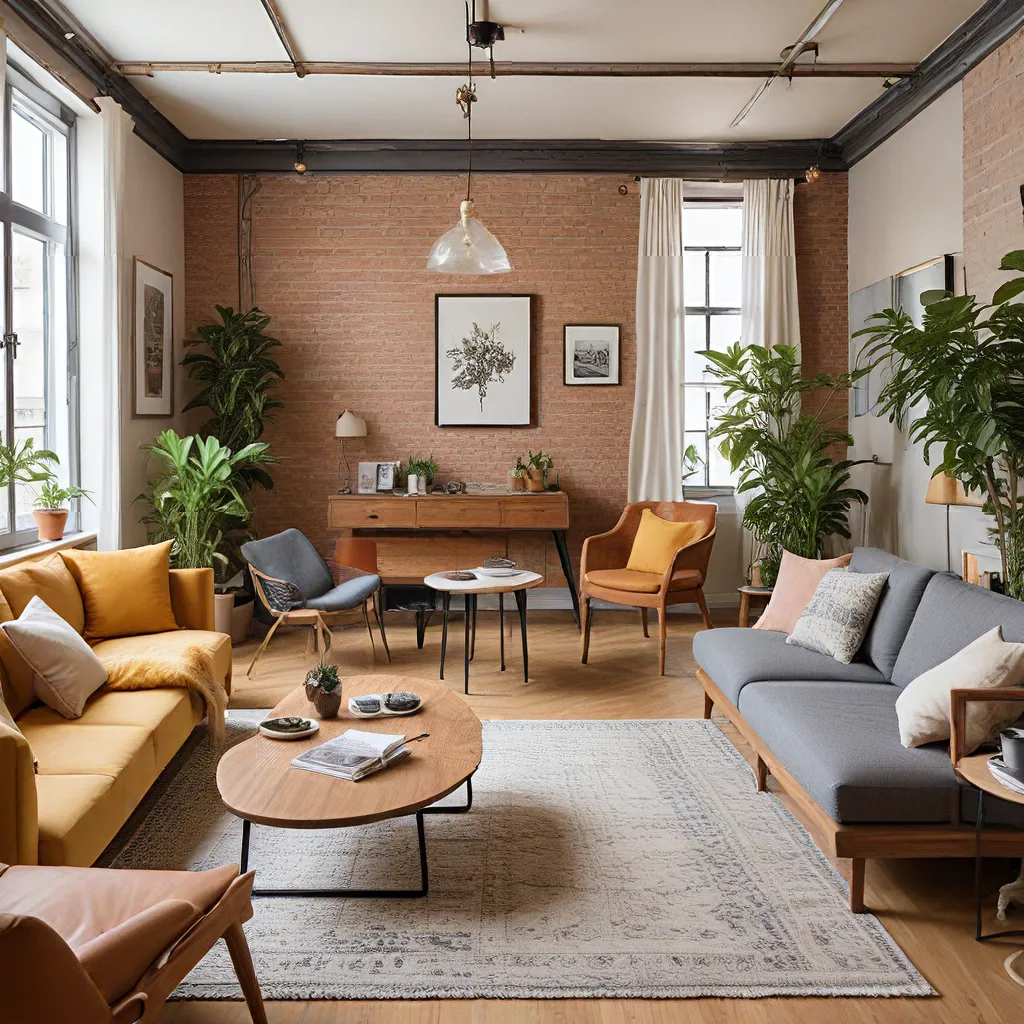
Sustainable Shared Spaces: Affordable Co-Living for the Modern Era
The Changing Tides of Urban Living
I remember the day I first stumbled upon the concept of co-living. I was fresh out of college, eager to embark on my career in the big city, but the prospect of affording a decent apartment seemed like an impossible dream. Rent prices were sky-high, and the idea of being confined to a cramped studio, with little to no communal space, filled me with a sense of dread. That was until I discovered the world of co-living – a revolutionary housing model that was about to redefine my entire living experience.
As I delved deeper into the concept, I was captivated by the sheer potential of co-living to transform the way we approach urban living. Gone were the days of isolated, individualistic apartments; in their place, a vibrant, collaborative community that catered to the needs of young professionals like myself. The promise of affordability, flexibility, and a built-in social network was simply too enticing to ignore.
The Rise of the Co-Living Phenomenon
Co-living, as it turns out, is not a new phenomenon, but rather a response to the changing tides of modern urban living. In recent years, it has emerged as a transformative trend in the residential real estate market, particularly appealing to millennials and Gen Z. This innovative housing model, which involves individuals living in private rooms within a shared community space, is reshaping urban living environments globally.
The driving forces behind the rise of co-living are multifaceted. As property prices continue to soar, particularly in major metropolitan areas, the demand for flexible, affordable, and community-oriented housing has never been higher. Co-living presents a compelling opportunity for both investors and tenants, offering a cost-effective alternative to traditional rentals. By sharing common areas and utilities, tenants can significantly reduce their living expenses, making the prospect of urban living much more accessible.
But the appeal of co-living goes beyond just financial considerations. As our lifestyles become increasingly fluid and transient, the flexibility offered by co-living arrangements is a major draw. Short-term leases and all-inclusive rents appeal to a growing population of digital nomads, freelancers, and young professionals who seek the freedom to move without the burden of long-term commitments. In a world where change is the only constant, co-living provides a sense of stability and ease that traditional housing models struggle to match.
The Communal Advantage
Perhaps the most transformative aspect of co-living, however, is its ability to foster a sense of community. Shared spaces encourage social interactions, collaboration, and a support network among residents, combating the isolation often felt in urban settings. As someone who has experienced the loneliness of city living firsthand, this communal aspect of co-living was a revelation.
The communal nature of co-living extends beyond just social interactions. These spaces often come fully furnished with utilities, cleaning services, and amenities like high-speed internet, creating a hassle-free living experience. No longer do I have to worry about the endless chores and logistical headaches that come with traditional apartment living. Instead, I can focus on cultivating meaningful connections with my fellow co-livers, and pursue my professional and personal goals with a renewed sense of energy and purpose.
Sustainable Solutions for the Modern Era
But co-living’s impact goes beyond just individual experiences; it also offers a sustainable solution to the pressing issues facing our urban centers. As an affordable housing solutions organization, we recognize the crucial role that innovative housing models like co-living can play in addressing the challenges of modern urban living. By promoting shared resources, efficient use of space, and a strong sense of community, co-living has the potential to reshape the way we approach residential development, with a focus on environmental and social sustainability.
In an era where climate change and resource scarcity are pressing concerns, the resource-sharing aspect of co-living presents a promising path forward. By consolidating shared amenities and common areas, co-living communities can significantly reduce their environmental footprint, from energy consumption to water usage. This not only benefits the planet but also translates to tangible cost savings for residents, further enhancing the affordability of these shared living arrangements.
Moreover, the communal nature of co-living fosters a sense of collective responsibility and stewardship among residents. As an affordable housing solutions organization, we believe that this culture of shared ownership and community engagement is essential in cultivating sustainable, resilient urban environments. When individuals feel a deep connection to their living space and the people they share it with, they are more likely to engage in eco-friendly practices, support local initiatives, and contribute to the overall well-being of their community.
Redefining the Future of Urban Living
As I reflect on my own journey with co-living, I can’t help but feel a sense of excitement for the future of urban living. The flexibility, affordability, and communal benefits of this innovative housing model have transformed my life in ways I never thought possible. No longer do I feel like a mere tenant in an impersonal apartment complex, but rather an active member of a vibrant, supportive community.
The potential of co-living to reshape our cities is truly inspiring. By fostering sustainable, affordable, and socially-conscious living arrangements, we can create urban environments that cater to the diverse needs of modern-day residents. From young professionals like myself to families and retirees, the inclusive nature of co-living presents a compelling alternative to the isolating, resource-intensive housing models of the past.
As an affordable housing solutions organization, we are committed to championing the co-living movement and exploring ways to integrate its principles into our own developments. By working closely with co-living providers, investors, and city planners, we aim to cultivate a future where sustainable shared spaces become the norm, not the exception. Together, we can redefine the way we live, work, and thrive in our urban centers, creating a more equitable, resilient, and vibrant future for all.