


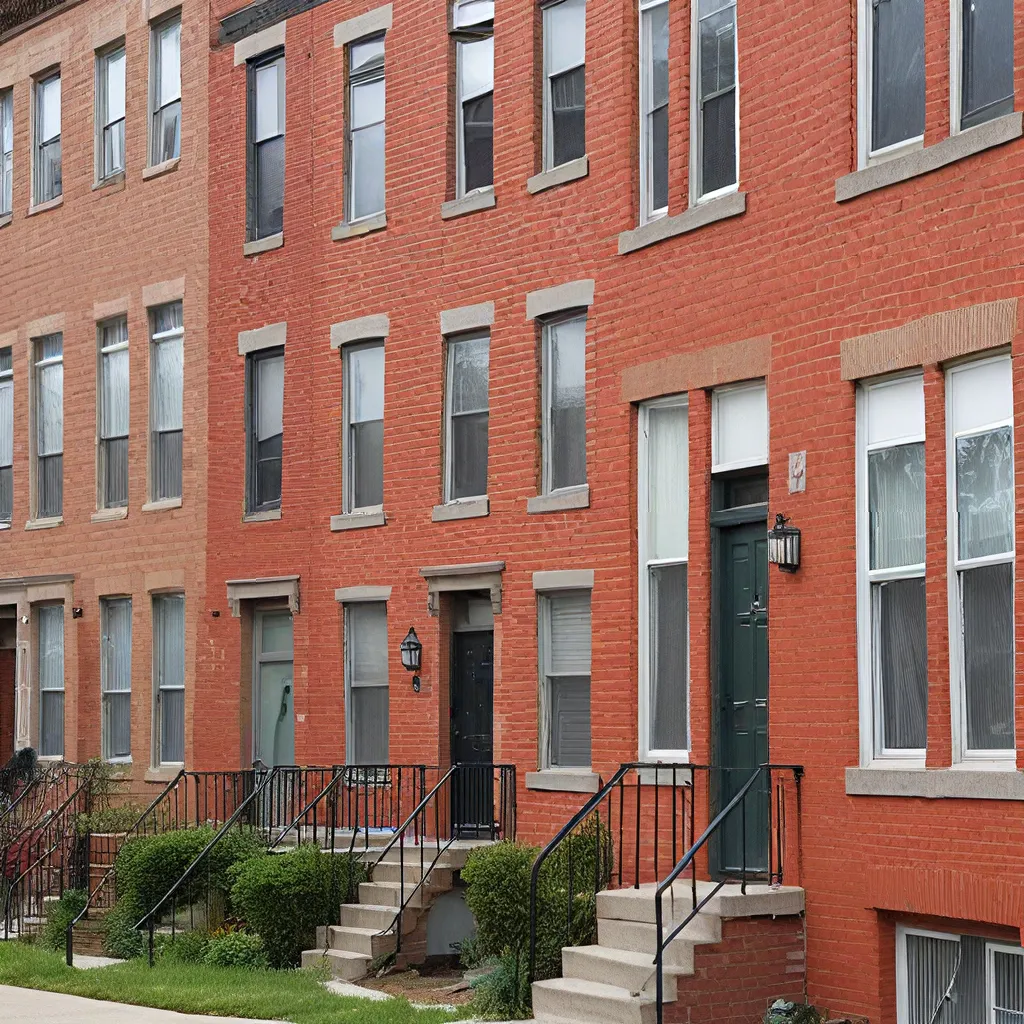
As a lifelong renter, I’ve experienced the ups and downs of the housing market firsthand. From the constant worry of rent hikes to the dreaded specter of eviction, the life of a tenant can often feel precarious and uncertain. But there’s hope on the horizon, and it comes in the form of innovative tenant-focused policies that aim to enhance housing stability and affordability.
Let me take you on a journey through the world of renter-centric solutions, where local governments and housing advocates are working tirelessly to empower tenants and create more equitable communities. Prepare to be enlightened, inspired, and maybe even a little surprised by the transformative power of these policies.
Preserving Affordable Rentals: Safeguarding Homes
One of the greatest challenges facing renters today is the loss of affordable housing units due to changing market forces. As neighborhoods gentrify and property values skyrocket, landlords may decide to cash in by converting their buildings into high-end condos or luxury apartments. This leaves long-time residents scrambling to find new homes they can actually afford.
But local governments are fighting back with innovative policies like right-of-first-refusal laws. These give tenant organizations or nonprofit housing providers the exclusive opportunity to purchase a property when the owner decides to sell. This way, the building can be preserved as affordable housing, keeping families in their homes and communities intact.
Another strategy is to provide financial incentives for landlords to maintain the affordability of their units. By offering tax credits or low-interest loans for property upgrades, cities can help mom-and-pop landlords keep rents down without sacrificing the quality of their buildings. It’s a win-win for tenants and responsible property owners alike.
Regulating Rent: Protecting Vulnerable Renters
Even in areas where affordable housing is available, renters can still face the constant threat of displacement due to rapidly rising rents. Retirees, families on fixed incomes, and other vulnerable populations may find themselves priced out of their homes through no fault of their own.
This is where rent regulation policies come into play. Some cities and towns have implemented laws that limit the amount landlords can increase rents each year, particularly for low-income tenants or those living in certain types of buildings. While these policies can be tricky to implement and require careful balancing of landlord and tenant interests, they can provide a crucial lifeline for renters on the edge.
Of course, rent control is a contentious issue, with critics arguing that it discourages new housing construction. But proponents counter that sensible, targeted rent regulation can preserve affordability without stifling development. It’s a nuanced debate, and one that communities must navigate thoughtfully to find the right balance.
Preventing Evictions: Keeping Families Housed
Perhaps the most disruptive and devastating experience a renter can face is the threat of eviction. Whether due to unexpected financial hardship, administrative errors, or predatory landlord behavior, the prospect of losing one’s home can be utterly terrifying.
Thankfully, there are policy solutions aimed at protecting tenants and preventing unnecessary evictions. Some jurisdictions have enacted laws prohibiting “no-fault” evictions, where landlords seek to remove renters despite timely rent payments and adherence to the rules. Others provide free or low-cost legal assistance to tenants facing eviction proceedings, ensuring they have the resources to defend their rights.
But even more proactive are the programs that offer emergency rental assistance to help families through temporary financial crises. By stepping in with one-time or short-term aid, these initiatives can keep people in their homes and avoid the traumatic experience of displacement. It’s a humane and pragmatic approach that benefits both renters and landlords.
Empowering Homeowners: Stability Beyond Renting
While much of the focus on housing stability tends to center on renters, it’s important to remember that homeowners can also face significant challenges in maintaining their housing security. Rising property taxes, utility costs, and the need for home repairs can all threaten a family’s ability to stay in their home.
To address these issues, some communities have implemented tax relief programs, often referred to as “circuit breakers.” These initiatives cap the amount a homeowner’s property taxes can increase each year, shielding low-income and elderly residents from being priced out of their homes. Similarly, programs that provide subsidies or free services for home weatherization and accessibility modifications can go a long way in helping aging homeowners or those with disabilities remain in their beloved abodes.
And for those struggling to keep up with mortgage payments, foreclosure prevention programs can offer a lifeline. By providing temporary financial assistance or legal support, these initiatives can help families avoid the trauma and upheaval of losing their homes.
A Holistic Approach to Housing Stability
The truth is, ensuring housing stability and affordability for all requires a comprehensive, multi-faceted approach. It’s not enough to address the needs of renters or homeowners in isolation – we must consider the full spectrum of policies and programs that can create more equitable and resilient communities.
That’s why the team at HACC Housing, the affordable housing solutions organization I’m proud to be a part of, takes a holistic view of the issue. We work tirelessly to advocate for innovative tenant-focused policies, support responsible landlords, and empower homeowners to maintain their housing stability.
Through our research, education, and community engagement initiatives, we’ve seen firsthand the transformative power of these solutions. From preserving affordable rentals to preventing unnecessary evictions, these policies are making a real difference in the lives of people just like me.
So if you’re a renter feeling the pinch of rising costs and uncertain housing, take heart – help is on the way. By working together with local leaders and housing advocates, we can build a more just, equitable, and stable housing landscape for all. The journey may be long, but the destination – a place we can truly call home – is well worth the effort.