


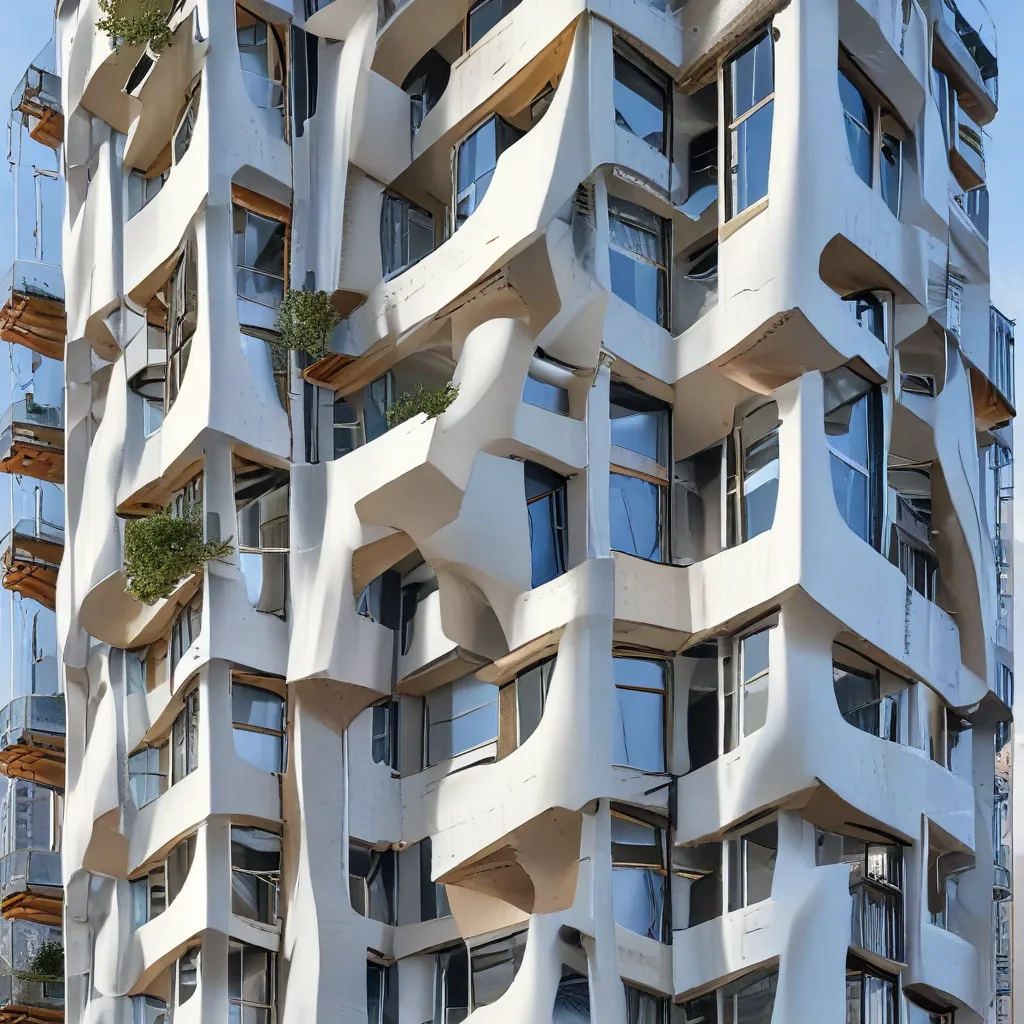
The Towering Challenge of Urban Affordability
As the sun peeked over the horizon, casting a warm glow across the bustling city, I couldn’t help but feel a sense of unease. The gleaming high-rises that dominated the skyline were a testament to the rapid pace of urban development, but they also served as a stark reminder of the growing affordability crisis facing our communities.
I had been tasked with exploring the intersection of affordable housing and sustainable design, a challenge that had been weighing heavily on my mind. How could we create high-performance, high-rise buildings that not only met the needs of low-income residents but also embodied the principles of environmental responsibility?
Unlocking the Potential of Vertical Living
My journey began with a deep dive into the world of high-rise construction, an engineering feat that has long captivated the minds of architects and urban planners. As I delved into the research, I discovered a wealth of knowledge from the experts at the Council on Tall Buildings and Urban Habitat, who shared insights on the latest advancements and challenges in this field.
One particularly intriguing presentation came from Graeme Stewart and Yael Santopinto of ERA Architects, a firm at the forefront of a movement to revitalize and green the affordable housing stock in Toronto. Their work on the Ken Soble Tower, the largest Passive House-certified residential retrofit project in the world, provided a shining example of what’s possible when we harness the power of vertical living.
Embracing the Passive House Standard
As I learned more about the Ken Soble Tower project, I was struck by the team’s commitment to the Passive House standard, a rigorous energy-efficiency certification that prioritizes the comfort and well-being of building occupants. By wrapping the 18-story high-rise in a heavy winter coat of low-embodied-carbon mineral fiber and upgrading the windows, the architects were able to achieve a remarkable 94% reduction in greenhouse gas emissions.
But the true genius of the design lay in its simplicity. Rather than relying on a complex array of high-tech solutions, the architects focused on basic principles of passive design, such as maximizing natural ventilation and harnessing the power of the sun. The result was a building that not only met the stringent Passive House requirements but also provided a comfortable and healthy living environment for its senior-citizen residents.
Rewriting the Narrative of Affordable Housing
As I delved deeper into the world of high-rise, high-performance affordable housing, I was struck by the profound impact that projects like the Ken Soble Tower could have on the broader narrative surrounding this critical issue. For too long, the perception had been that sustainable design was a luxury reserved for the wealthy, while affordable housing was synonymous with substandard living conditions.
But the work of ERA Architects and their partners was challenging this narrative, demonstrating that it was possible to create affordable housing that was not only energy-efficient and environmentally responsible but also comfortable, dignified, and enriching for its residents. By embracing a holistic approach that addressed the social, economic, and environmental needs of the community, they were redefining what it meant to create truly sustainable affordable housing.
Overcoming Barriers and Catalyzing Change
Of course, the path to this transformative vision was not without its challenges. As I learned from the LinkedIn article on civil engineering challenges in high-rise construction, the construction of tall buildings is a complex and multifaceted endeavor, requiring expertise in everything from structural stability and foundation design to environmental sustainability and safety considerations.
But the team at ERA Architects was undaunted, driven by a deep-seated belief that affordable housing was a fundamental human right and that it was their responsibility to push the boundaries of what was possible. Through a combination of advocacy, policy development, and innovative design, they were steadily chipping away at the barriers that had long constrained the sector.
Forging a Sustainable Future
As I reflected on the transformative work happening in Toronto and beyond, I couldn’t help but feel a sense of optimism and inspiration. The affordable housing solutions organization I was writing for was at the forefront of this movement, and I was honored to be part of the effort to share these stories with the world.
Through projects like the Ken Soble Tower, we were proving that it was possible to create high-performance, high-rise affordable housing that not only met the needs of low-income residents but also embodied the principles of environmental sustainability. By embracing the Passive House standard and harnessing the power of vertical living, we were rewriting the narrative and paving the way for a future where affordable housing and sustainability were not mutually exclusive, but rather two sides of the same coin.
As I put the finishing touches on my article, I couldn’t help but feel a sense of optimism and determination. The challenges we faced were vast, but the potential rewards were even greater. With the dedication and ingenuity of the teams working in this space, I was confident that we could create a more equitable, sustainable, and vibrant future for all.